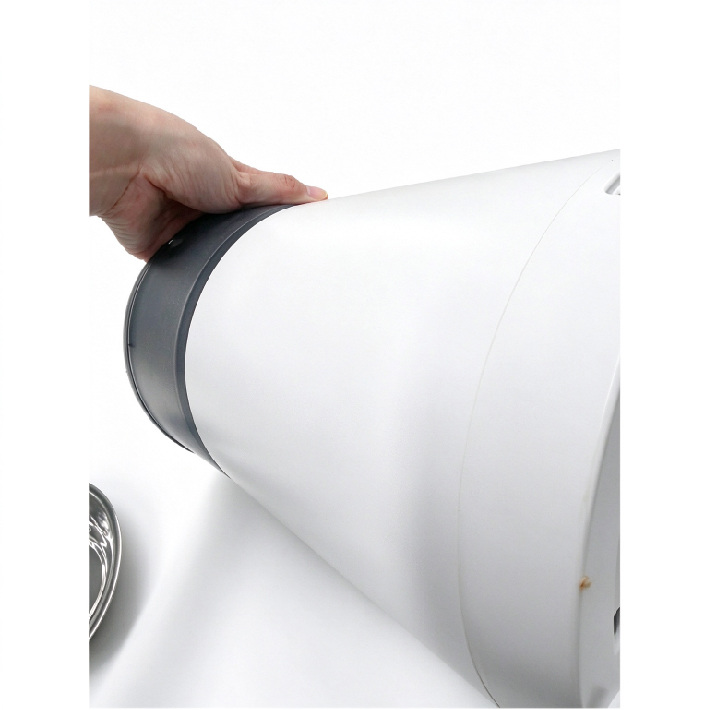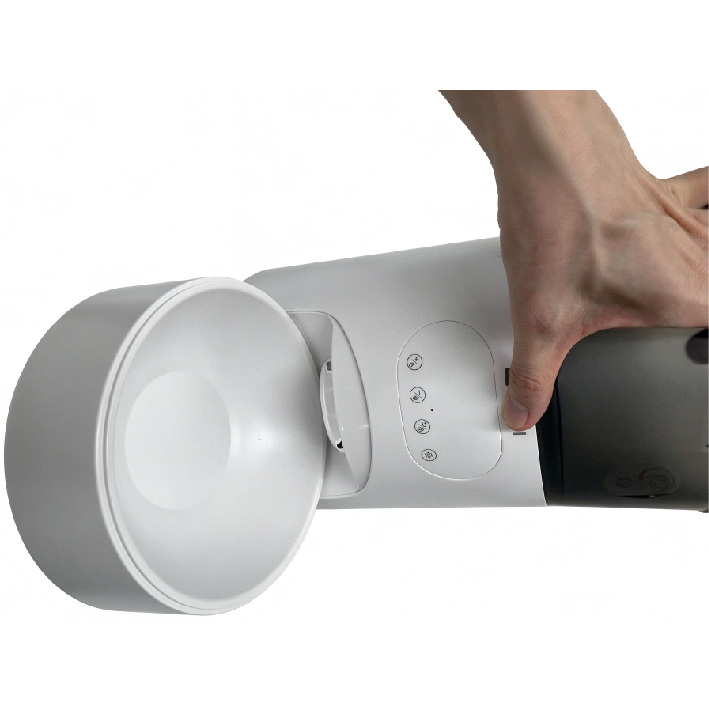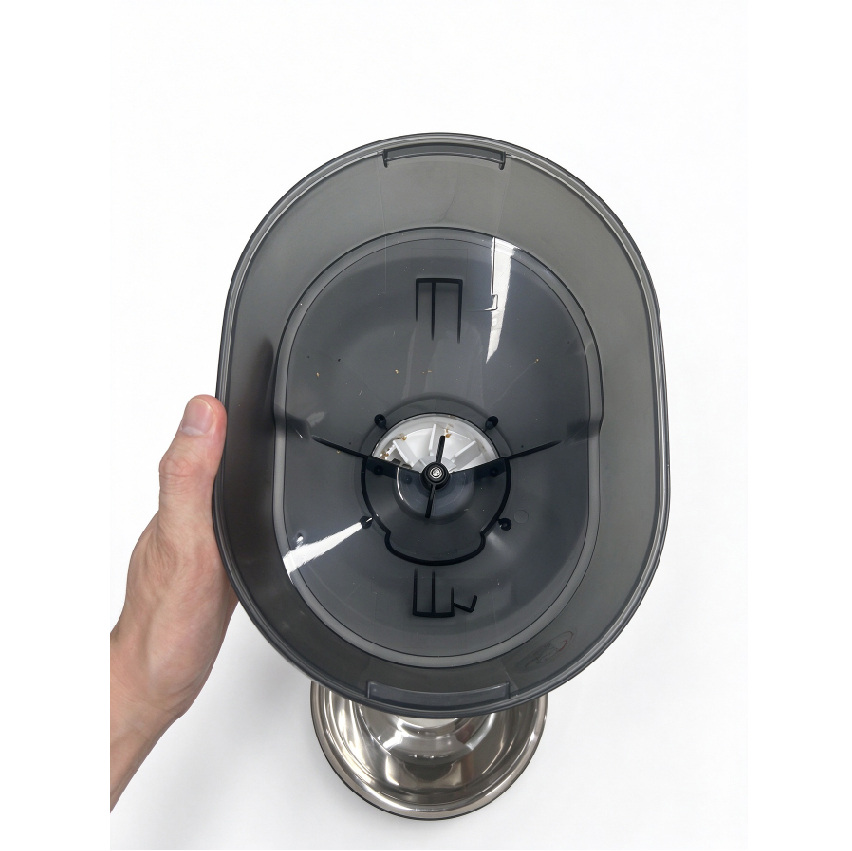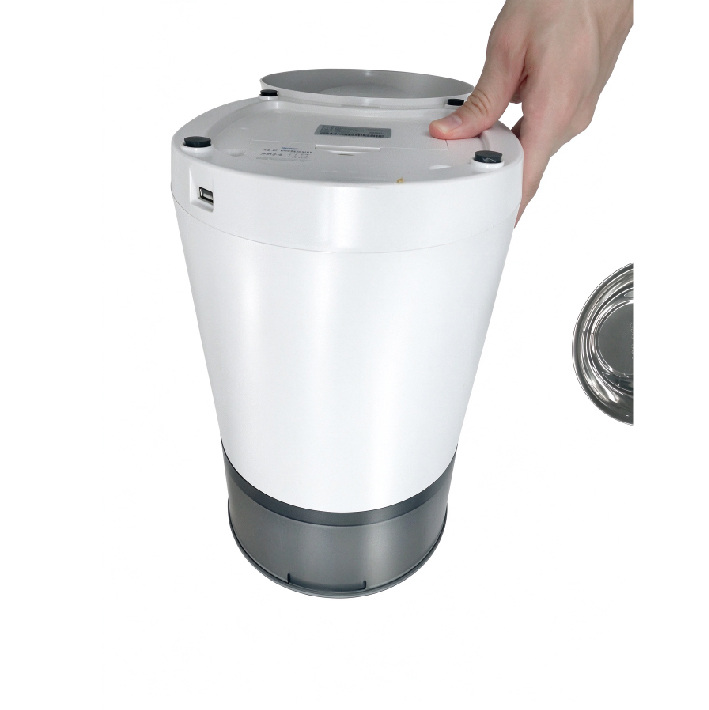
Boîtier en plastique pour distributeur intelligent sur mesure

Boîtier en plastique pour distributeur intelligent sur mesure

Large-Capacity Smart Feeder Plastic Housing | Structural Parts in ABS, PET, Silicone & Stainless Steel

  • Production Specifications for Smart Feeder Plastic Housing and Related Components:
  • 1. The housing shall be produced strictly according to the approved color chip or reference sample. Periodic inspections on the production line are required.
  • 2. Visual inspection shall be carried out to detect molding defects including sink marks, short shots and thickness marks.
  • 3. Check surface grain for drag marks, scratches and ejector pin whitening. Verify dimensional tolerances, and validate the color and placement of silk-screen prints.
  • 4. Silicone components are inspected for hardness, color, parting lines and dimensions.
30000+
Decks Printed Monthly
15+
Countries Shipped
200+
Happy Clients
100%
Quality Guarantee

Materials, Mold Steel and Inspection

What each part is made of, which standards it is checked against, and on which equipment:

Part, Material & Mold Industry Standards Core Inspection & Equipment
Body - ABS, impact-modified ISO 9001:2015 CNC machining and EDM
Hopper - PET, translucent smoked ISO 14001 polish comparator plaques
Mold cavity and core - 718H, 30-34 HRC SGS CMM dimensional report per lot
Hopper cavity - polished, REACH SVHC Haze and colour plaque check
Body surface - matte texture, FDA 21 CFR 177.1020 (ABS) Texture sample against master plaque
Feeding Turntable with impeller seat ABS+Silicone CMM dimensional report per lot
Wall - 0.09 in body, 0.08 in hopper ASTM D638 tensile Izod impact tester
Gating - gate hidden behind the collar ASTM D256 impact First Article Inspection (FAI)

Scénarios commerciaux B2B et valeur de gros

How feeder brands, private labels, distributors and assembly plants buy a two-part plastic housing

Feeder Brands Adding a Model

1. A new feeder model usually means a new housing, not a new mechanism - the electronics and the drive are carried over, and the enclosure is the part that has to change.
2. We tool the body and the hopper as a pair, so the collar fit, the catch and the colour are settled together instead of being chased on the line.
3. Existing board and motor positions are molded in from your drawing, so no bracket and no secondary operation is added to the assembly.
Private Label and Retail Chains

1. The same cavity runs your tint, your texture and your logo, so a chain can hold four SKUs that differ in colour alone.
2. The hopper can be left smoked or run clear, which changes how the product reads on a shelf without changing the tool.
3. Retail cartons and inner packing are quoted with the part, so the unit arrives shelf-ready rather than needing repacking locally.

Contract Molding for Appliance Assemblers

1. We deliver housing assemblies to the assembly line in batches as scheduled, following the agreed packaging method.
2. A dimensional test report and relevant material certificates are provided with every shipment batch.
3. Tooling funded by your side is registered under your ownership. It can be transferred upon your written application.

Color Customization for Customer-Specified Feeder Housing

1. Color selection available from our factory’s color swatches.
2. Parts can be molded to match custom color samples supplied by the buyer.
3. We also support standard color references such as PANTONE color cards.

Surface Finishing Treatment for Feeder Housing

Surface Finishing Treatment for Feeder Housing

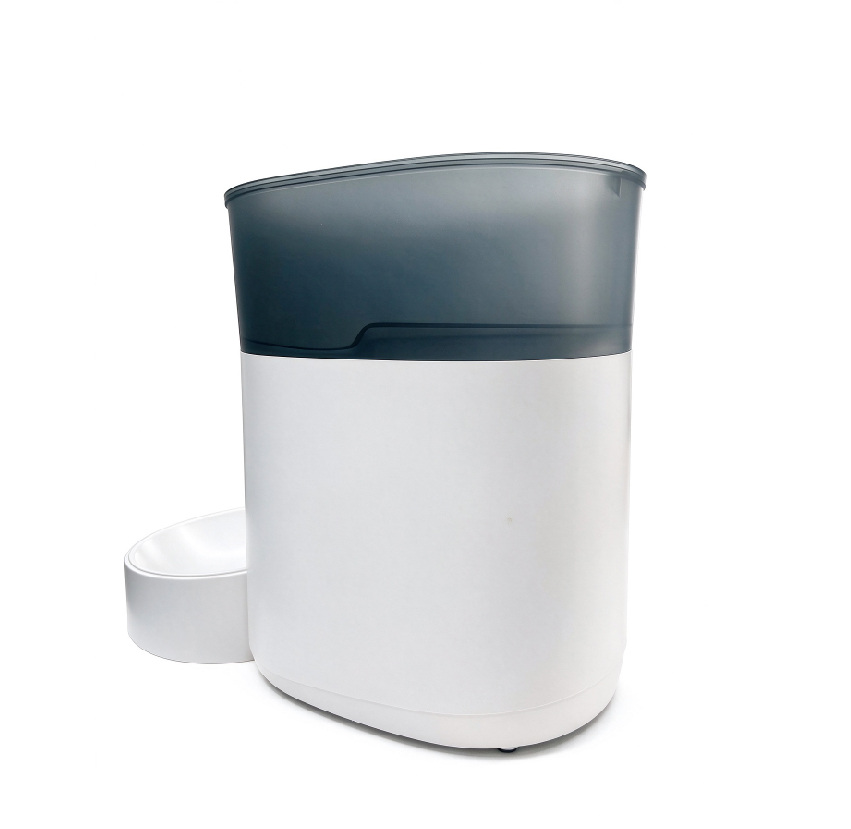
1.Smart Feeder Housing Materials ABS is used for the main body. Texture is engraved on the mold surface, so the finished part inherits this texture after injection molding. A texture plate or approved sample is required for texture replication. The draft angle is critical for textured surfaces. Fine textures require a draft angle of 1.5° to 3°. Insufficient draft will cause scuffing upon demolding.
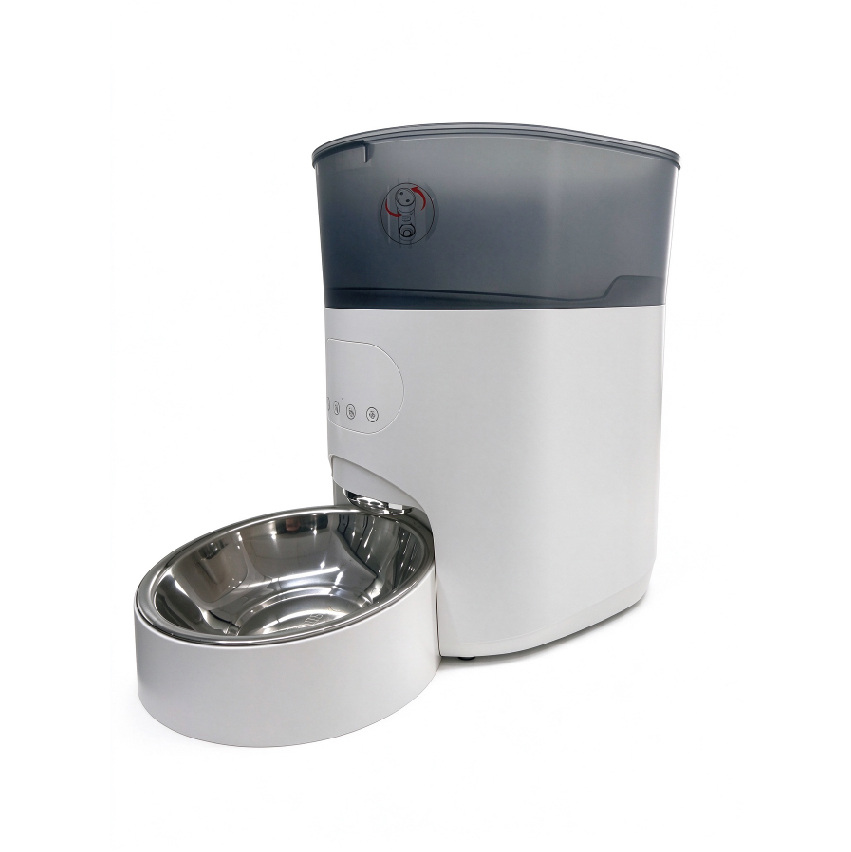
2. The food hopper adopts food-grade PET material. Matching the texture of the main shell delivers a unified aesthetic. Its semi-transparent upper section allows quick visual inspection of remaining food. All edges of the hopper are filleted, eliminating sharp edges to avoid hand scratches during cleaning and refilling.

Manufacturing Process of Feeder Battery Compartment

Manufacturing Process of Feeder Battery Compartment

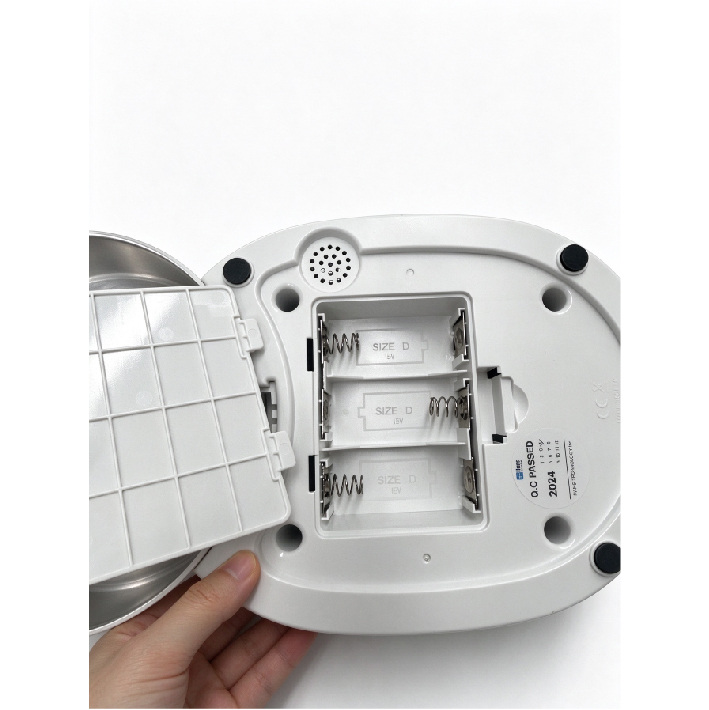
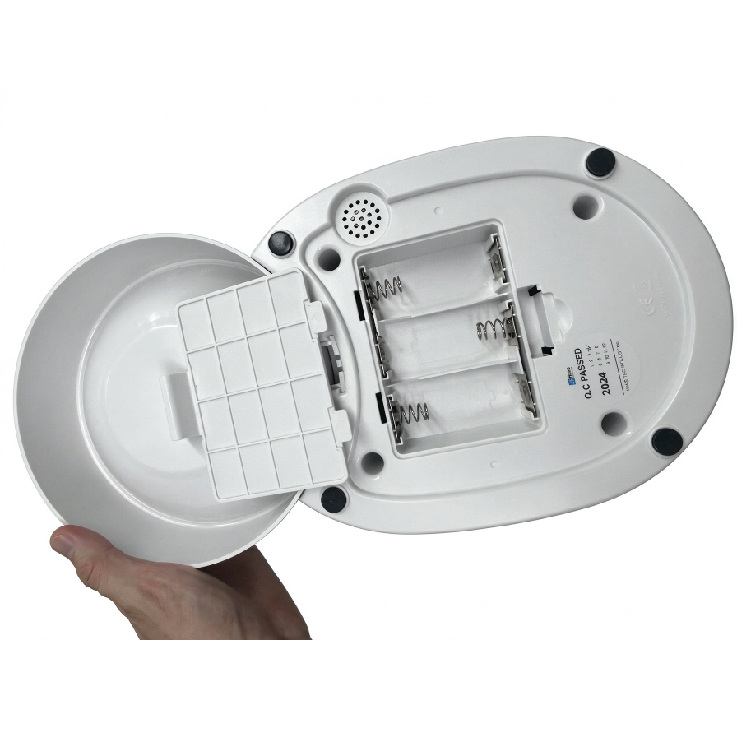
1. The polarity indicators for positive and negative terminals in the battery compartment are designed as recessed features to prevent pressing against the battery. Another option is to use glossy-matte contrast for easy identification. Appropriately controlled draft angles maintain a close fit to prevent battery rattling.
2. All gaps around the wire exit and reverse latch of the battery compartment shall be sealed internally with adhesive to prevent insect intrusion. A finger cutout is provided on the spring wall of the battery cover for convenient opening.

Design and Production Considerations for Smart Feeder Middle Frame and Bottom Shell

Design and Production Considerations for Smart Feeder Middle Frame and Bottom Shell

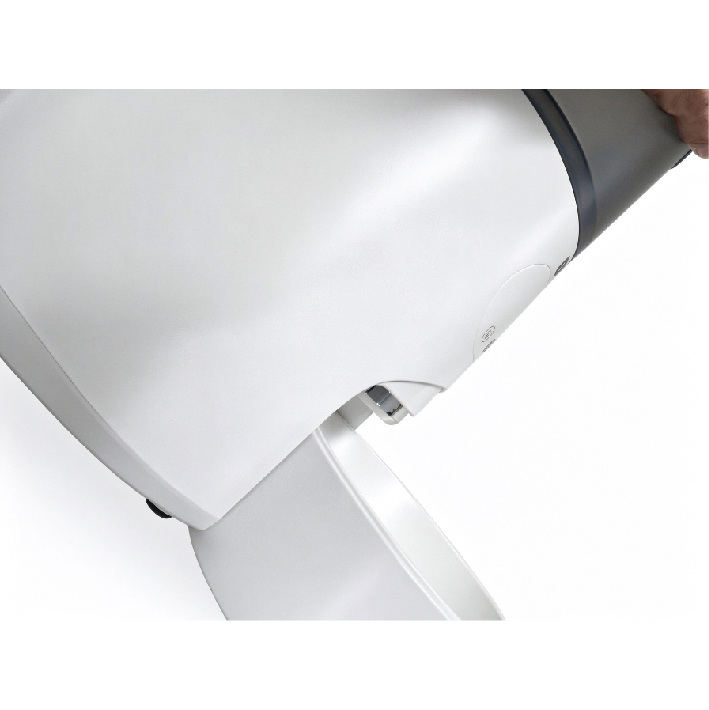
1. For the mating design of the feeder bottom shell and main body, a clearance gap must be set between the two components to prevent hazards such as sharp edges from tolerance misalignment. The standard reserved gap is 0.012 inches. Draft angles of both shells are drafted outward based on the parting plane. Internal reverse-locking ribs are incorporated to ensure no step difference after assembly.
2. Mass production is based on the signed-off approved sample. Critical molding parameters such as injection time, pressure and temperature are logged. The same settings can be reused for future batches to guarantee consistent, conforming products.

Touch Button Position Design & Production for Smart Feeder

Touch Button Position Design & Production for Smart Feeder

1. During the structural design of feeder buttons, adequate spacing between individual buttons is required to avoid unintended touch. Ergonomic design is adopted for better operation. A flash trap (glue overflow groove) is included, and the bonding surface is finished smooth to enlarge the contact area of double-sided tape.
2. The button part is made of transparent material with silk-screen printing. The regions that need light transmission are reserved without printing.
3. 3M double-sided adhesive is applied for assembly, with an operating temperature range of -20°C to 70°C.

Multi-Scenario Applications of This Feeder Housing

This feeder shell is available for selection as specified by different purchasers. The mold is designed with a range of replaceable inserts to suit applications for different pets.

Automatic Feeders for Cats and Dogs

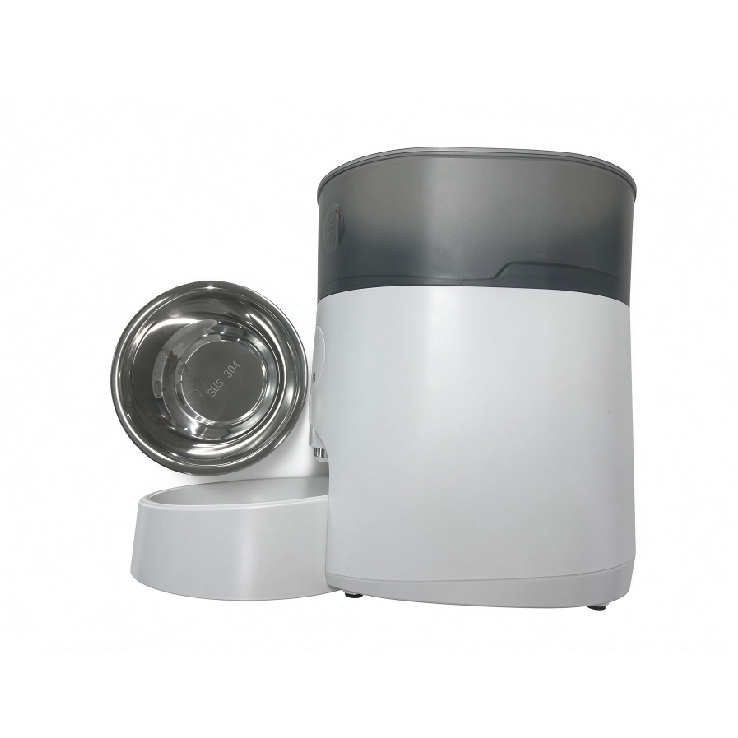
This feeder shell works for both cats and dogs. The identical main housing supports interchangeable hoppers in different capacities. It can also be fitted with assorted support stands to raise the feeder height. A selection of feeding turntables can be used to suit different pellet sizes.

Portion-Control and App-Controlled Units

This main housing of the feeder is compatible with multiple functional options, including WiFi-enabled and local automatic feeding PCBA control boards. Different PCBA modules can be installed inside the identical shell to deliver distinct features. Such multi-function compatibility cuts customers’ retooling and replacement costs.

Retail and Private Label Programs

A single mold can produce multiple SKUs differentiated by color and outer packaging. Color switching during production incurs no additional mold charges. Separate printing graphics are required for the outer cartons, subject to carton MOQ rules. We suggest a minimum of 500 cartons per printed design.

All shells adopt a modular structure, making replacement and servicing more convenient.

The complete feeder enclosure is built with a modular structure. When a single component fails, only the faulty part needs replacement rather than the entire device. This reduces maintenance and transportation expenses for customers.

Design Specification for Multi-Material Feeder Housings

There are four critical design aspects governing the assembly performance and aesthetic outcome of the housing. The rationality of internal structure design, exterior finishing, mold design and mold construction directly determines product quality.

Structural Design Considerations for Smart Feeder

Structural Design Considerations for Smart Feeder

The structural development of the feeder main housing shall start with the ID design specification. Subsequent evaluations cover internal layout, outer draft angles, color & texture finishes, manufacturability for assembly, mold fabrication difficulty and expected tool life. Process documentation is produced by simulation software, including 2D drawing machining instructions and control requirements for critical dimensions.

Common Surface Finishing Processes for Smart Feeder Housings

Common Surface Finishing Processes for Smart Feeder Housings

1. Texture engraving on mold surface is widely used for feeder exteriors to protect the surface from scuffs. Post-mold spray painting is an alternative option. Required markings can be etched into the mold, removing the requirement for separate sticker labels in downstream assembly. 2. Product information and logos can be printed onto the part surface via silkscreen printing followed by UV curing. This ensures durable prints that are resistant to scratching.

Key Items for Feeder Mold Structural Design

Key Items for Feeder Mold Structural Design

1. The cooling circuit shall be properly arranged throughout the mold core to achieve uniform cooling effect. 2. Thin steel sections are to be avoided. Under high injection pressure, thin steel is prone to damage. 3. Gating points are hidden away and must not be located on cosmetic surfaces. 4. Ejector pin layout shall avoid areas with critical dimensional requirements. 5. The parting plane has smooth transitions to prevent material flash.

Steel Material Selection for Smart Feeder Mold

Steel Material Selection for Smart Feeder Mold

1. Appropriate mold bases shall be specified for different structural designs. Options include pin-point gate, open gate, two-plate mold, three-plate mold and Hafu side slide mold. Selection depends on project specifications. 2. Mold cavity and core inserts adopt different steel grades to satisfy product requirements. S136 is selected where high polish is needed. 718H is recommended for a target mold life of more than 300,000 shots.

Commercial Terms & Certification

MOQ OEM/ODM

Custom colour, logo and retail packaging start at 500 pcs.

Samples are available from a single unit, machined or from a T1 shot.

Délai de production

Tooling and T1 samples (718H, two cavities) 20-25 working days after DFM sign-off

Pilot run and approval 5-7 working days

Mass production, 500 pcs 12-18 working days

Sea freight to EU or US 30-40 days

Emballage standard

1pc x ABS body

1pc x PET hopper, wrapped separately

6pcs x Export carton, hoppers nested inside the bodies

Bowl and stainless insert packed as a separate line if ordered

Custom retail carton quoted separately

Prices are quoted against a confirmed drawing, resin grade and quantity. Tooling is charged once and stays in production for repeat orders.

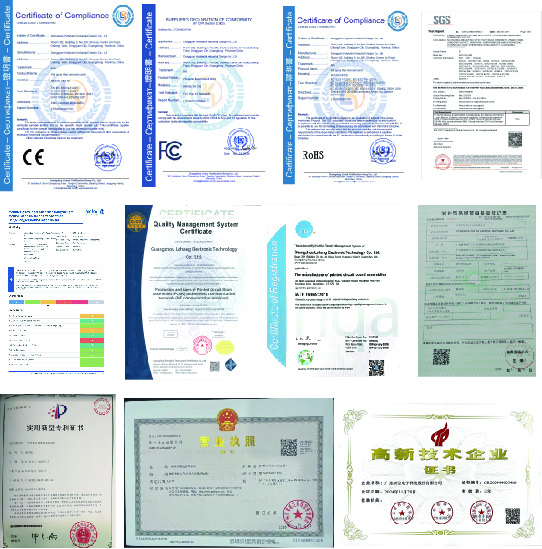
Certification Support

We prepare the material and test documents for the certifications below and run pre-shipment checks against them, so your own compliance file is complete before the container leaves.

RoHS REACH SVHC ISO 9001 FDA FCC CE

Looking for Customization or Bulk Orders?

From individual prototype samples to finished goods in cartons: we provide one-stop solutions including mold fabrication, product assembly, resin material supply and carton packaging.

Required Documents for Custom Feeder Housing

1. ID design & process specification document
2. 3D model files supplied in STEP or IGES format
3. Required production volume, which we use for mold layout arrangement
4. Preliminary material type and grade
5. Color and texture reference samples; physical swatches are highly recommended
6. 2D engineering drawings in DXF file format
7. Product specification document covering features such as internal boss posts, parting line positions and other requirements

Why ABS for the body and PET for the hopper

The two parts of a feeder do two different jobs, so they are two different resins. The body carries the motor, the bowl housing and the electronics, and it gets knocked about: ABS has the impact strength for that, takes a matte texture that hides fingerprints, and molds to a colour that matches a brand book. The hopper is a container the owner looks at every day, and PET gives the translucency that shows the food level without showing the mechanism.

The two resins also pull differently in the tool. ABS shrinks more than PET and needs a slightly heavier wall to stay flat across a large face; PET wants to be dried hard and cooled fast or the wall hazes. Running the pair as one project means the collar between them is dimensioned with both shrink rates already accounted for, instead of being shimmed at the assembly line.

Packaging Considerations for Smart Feeder Main Housing
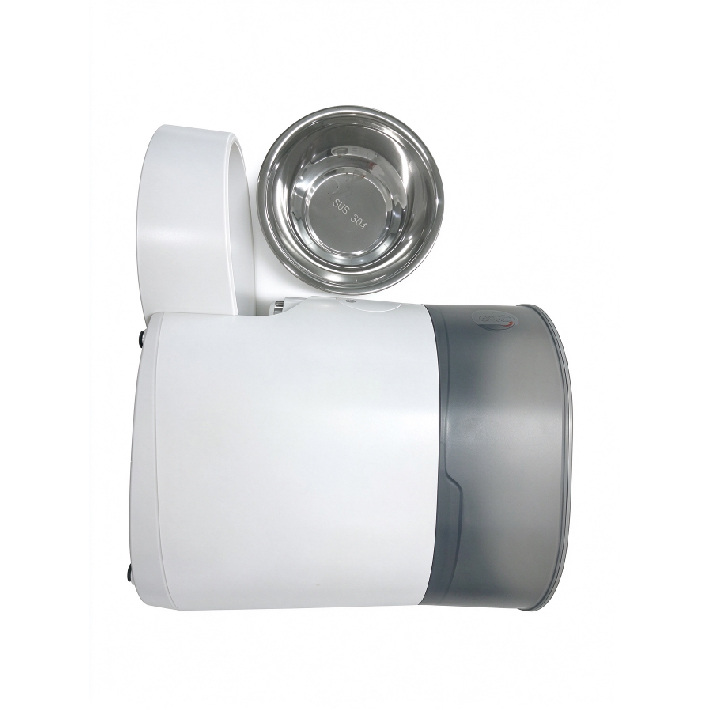
The modular feeding bowl can be removed manually and stored inside the feeder hopper to reduce packaging dimensions. The whole assembly is wrapped with soft EVA material to prevent scratches. One finished unit per color box for easy assembly by customers.

Successful Case Introduction: ABS + PET Smart Feeder Housing

Case A - Two-part housing for an automatic portion-control feeder
Part: ABS body with a molded control panel pocket and a PET hopper with an integrated throat
Material: ABS, impact-modified (body); PET, translucent smoked (hopper)
Size: 8.9 x 7.9 x 12.6 in overall
Mold: 718H pre-hardened steel, 30-34 HRC, body finished matte, hopper cavity polished to SPI B-1

What the project needed: the client already had a board and a drive, and wanted the enclosure rebuilt around them. Board bosses, the button posts and the bowl-housing screw circle were taken from their drawings and molded in, so the new housing dropped onto the existing mechanism with no adapter.

Result: body and hopper ship as a matched set, with the collar fit checked on a sample from every lot rather than on the whole container.

Technical Specifications

Matériau

Body: ABS, impact-modified | Hopper: PET, translucent smoked

Taille hors tout

8.9 x 7.9 x 12.6 in

Process

Injection molding, single-cavity per part (two-cavity family available)

Mold steel

718H pre-hardened, 30-34 HRC

Cavity finish

Body matte, SPI C-1 | Hopper polished, SPI B-1

Nominal wall

0.09 in body / 0.08 in hopper

Draft angle

1.0 deg on the side walls

Colour

Body any Pantone | hopper smoked, clear or tinted

Fixings

Thread-forming screws into ABS bosses;

MOQ

500 pcs for custom colour, logo and packaging

Emballage

1 pc per PE bag, 6 pcs per export carton, hoppers nested

From Board Drawing to Molded Housing

Étape 1 Requirement and DFM - send the PCB outline, the button positions, the bowl interface and the target size. We return a DFM report with wall, rib, boss and gate positions, plus the collar dimensions for the hopper. Send Requirements
Étape 2 Mold Making and T1 Samples - two 718H cavities cut, body textured and hopper polished, T1 shots in both resins, board and hopper trial-fitted on the bench.
Étape 3 Pilot Run and Approval - 50 to 100 sets on the released tools, collar fit and button travel checked, unit assembled with your electronics before the batch is released.
Étape 4 Mass Production - 500 sets and up, colour and texture checked against the master plaque every shift, dimensional report per lot.
Étape 5 Packing and Shipment - hoppers nested inside the bodies, six per export carton, carton-mark and retail packaging to your artwork.

Documentation technique et ressources

Which part is ABS and which is PET?

The body - the part that carries the motor, the bowl housing and the electronics - is impact-modified ABS. The hopper that holds the food is PET, run translucent so the level is visible from the side. If your design puts the food in the body instead, we run both parts in the same resin and the collar becomes a simple seam.

How to Prevent Rattling Noise from the Hopper inside the Main Housing?

The hopper is secured to the main feeder shell by screw fasteners. Even arrangement of screws ensures uniform stress distribution across the joint.

Is the housing food-contact safe?

The hopper can be run in PET that meets FDA 21 CFR 177.1630 and the EU 10/2011 food-contact rules, and we supply the resin declaration with the lot. Tell us which market the feeder ships to and we name the grade in the quotation.

Can the panel pocket be moved or resized?

Yes - the pocket is cut into the cavity, so its position and depth are part of the tool design. Sending the display outline and the button layout gives us everything we need. If the layout is likely to change again, the panel area can be run as an interchangeable insert so the main cavity is not re-cut.

FREQUENTLY ASKED QUESTIONS - FEEDER HOUSINGS

What is the minimum order, and what does the first order include?

Custom colour, logo and retail packaging start at 500 pcs. The first order normally includes both tools, T1 samples, a pilot run of 50 to 100 sets and the dimensional report. Samples before that stage come from a single machined unit.

How is the housing priced - by weight or per set?

The quote is per set, built from the shot weight of each part, the cycle time on each tool and the packing you ask for. We show both shot weights so you can see what the two resins contribute separately.

Quels fichiers sont nécessaires pour un devis ?

Please send a 2D drawing or a 3D file of the body and the hopper (STEP or IGES), the PCB outline with the button and connector positions, the bowl interface drawing, the colour reference, the order quantity and any testing requirements. For a new development, please share the product specification and function list.

Can you supply the bowl and the stainless insert as well?

We mold the bowl housing; the stainless bowl itself is bought to your specification and packed with the set if you want one supplier for the box. Send the bowl drawing and we quote the pair together.

Comment protégez-vous notre design et notre outillage ?

An NDA is signed before drawings change hands. Tooling paid for by you is booked under your name and can be moved out on written request; we do not quote the same custom profile to another buyer.

What is the lead time for a repeat order?

Repeat orders run 12-18 working days for 500 sets once both tools are released and the resin is in stock, plus sea freight. A new colour match adds 5 working days for the master batch and the plaque.

POURQUOI NOUS CHOISIR

Top Tier OEM/ODM 20+ Years | Custom Large Smart Pet Products

1 million+
Annual Capacity
30+
R&D Team
ODM/OEM
20+ Years
Certification
CE/FCC/RoHS/FDA/IEC62368

Certifications internationales

Entreprise de haute technologie intégrant R&D, production et vente, avec une équipe spécialisée en design industriel, électronique et structurel. Certifiée ISO9001 et BSCI, nous servons plus de 200 clients dans le monde.

Certifications internationales
FCC
CE
CE-EMC
REACH
RoHS
UN38.3
IEC62368
FDA
FCM
GPSD
UL/ETL IEC62368-1
FCM EU 10/2011
UL94

Contact nous

Nous serions ravis d’échanger avec vous !

Retour à tous les services